

Choosing a single-point lubricator bag
Start with the equipment you carry and the route you walk. A single-point lubricator bag should suit your replacement units, make essentials easy to find and give you a clear plan for the return trip.
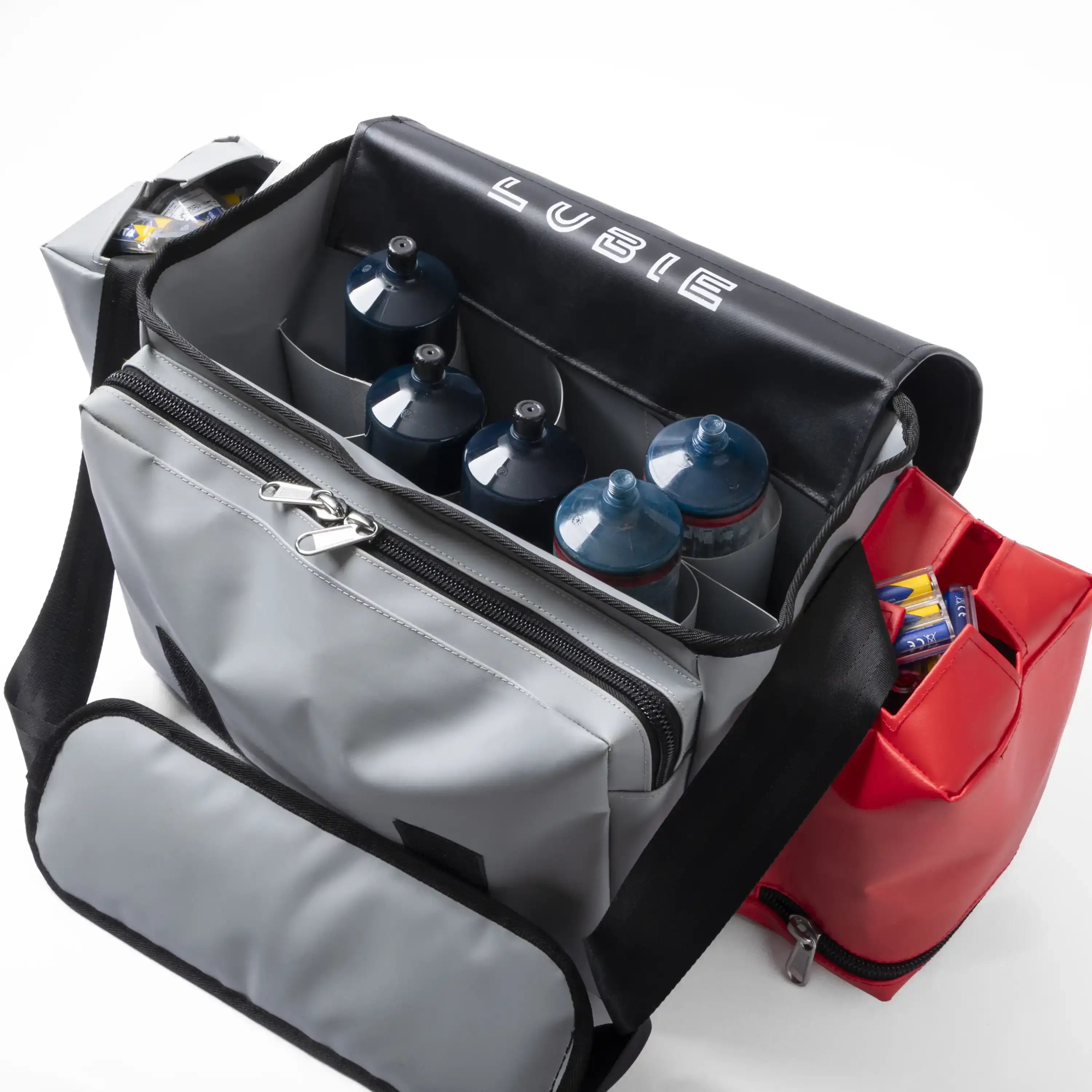
Start with your lubricator size
Write down the make, model and size of the lubricators on your route. Check the number of replacement units you usually carry, along with batteries and other essentials. Volume alone does not confirm that a particular unit will fit.
LUBIE offers SPL 250 and SPL 500 bags. Compare the current range and ask about fit for your equipment before choosing a size.
Look at the full route
Think about where you stop, what you need to reach and what comes back with you. An organised layout is easier to assess when you use your actual kit as the starting point.
- List the replacement units and accessories needed for a typical route.
- Check access to the items you reach for most often.
- Plan for new supplies and returned items separately.
- Review the loaded bag with the people who will carry it.
Ask how the compartments work
Look beyond the number of pockets. Ask which items each compartment is intended to hold and whether the layout suits your workplace procedures. A bag is one part of the equipment setup; your site determines handling and waste arrangements.
Buying for a team? Start with a fit check
Before ordering for a whole crew, collect the lubricator details and feedback from a typical route. Send LUBIE your expected quantities, equipment list and delivery location so the enquiry starts with the information that matters.
For an individual purchase, the same checklist works: identify your kit, compare the bags and clarify anything the product page does not answer.